




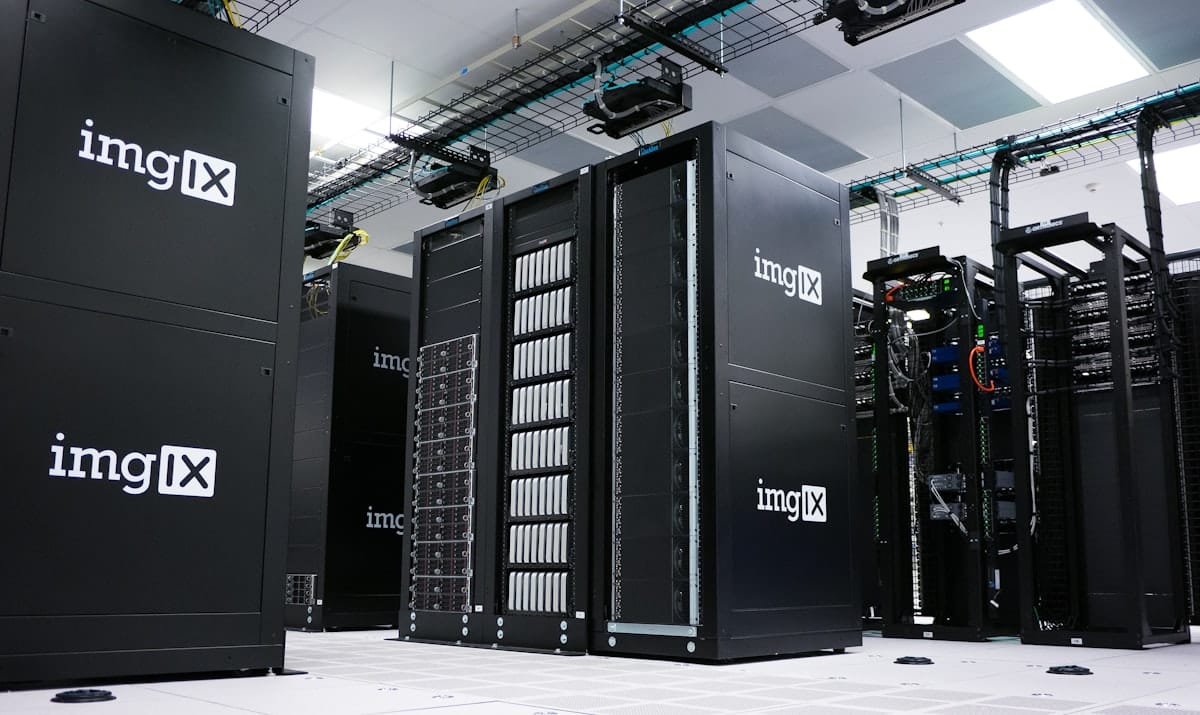
The AI revolution is often described in terms of software, but its most visible physical footprint is concrete and steel. Monthly spending on data-centre construction has surged as companies race to add the capacity needed to train and run AI models. This building boom is one of the clearest signals of how seriously the industry is taking AI — and it carries real consequences for cost, power and the pace at which new tools reach you.
Why Everyone Is Building at Once
AI workloads are extraordinarily demanding. Training large models and serving them to millions of users requires enormous, specialised facilities packed with chips and cooling systems. As demand has exploded, the existing stock of data centres has proven inadequate, triggering a wave of construction. The spending figures tell the story: this is infrastructure investment at a scale usually reserved for national projects.
The Bottlenecks Behind the Boom
Building a data centre is not just a matter of money. These facilities need land, vast amounts of electricity, water for cooling, and access to power grids that are already under strain. Increasingly, the limiting factor is not capital but energy and permitting. That is why some projects stall even when funding is available, and why the location of new capacity is becoming a strategic question.
What It Means Downstream
For the businesses that use AI tools, the construction boom is a leading indicator. More capacity eventually means more availability and, often, lower prices for the services built on top of it. But the constraints — power, water, grid access — also explain why capacity sometimes lags demand, and why the cost of running heavy AI workloads can spike. The physical world sets the ceiling on the digital one.
A Boom With a Long Tail
Data centres take years to plan and build, which means today’s construction spending is really a bet on demand well into the future. That long lead time creates its own dynamics: periods of apparent shortage followed by waves of new capacity coming online. For anyone planning around AI tools, it is a reminder that the supply of compute is lumpy and slow to adjust, even as demand moves fast. Patience and flexibility tend to pay off more than assuming capacity will always be there exactly when you want it.
Source: Our World in Data — Artificial Intelligence.
What the data-centre boom means downstream
The scramble to build new data centres is the physical expression of AI’s growth, and it eventually reaches the marketer as capacity and pricing. More data centres mean more compute available to power the tools you use, which generally pushes capability up and cost down over time. But construction takes years, so there can be periods where demand for AI outruns the infrastructure to serve it. Understanding that your tools depend on buildings full of servers helps explain why availability and pricing occasionally tighten in ways the software alone would not predict.
Abundance favours the disciplined
As infrastructure catches up and compute becomes more abundant, the cost of generating AI output keeps falling. That abundance is an opportunity, but it also removes an excuse. When producing a hundred ad variations costs almost nothing, the constraint on good marketing is no longer resources but discipline — the judgement to know which variations are worth testing and the rigour to act on the results. Cheap compute rewards the marketer with a strong process and quietly punishes the one who mistakes volume for progress.
Focus on outputs, not infrastructure
None of the infrastructure story is something a marketer controls, and it should not occupy much of your attention. The useful takeaway is directional: assume AI capability will keep getting cheaper and more available as this build-out continues, and position your skills accordingly. Build the habits and judgement that let you turn abundant, cheap AI output into genuine results, and let the data-centre boom quietly work in your favour.