




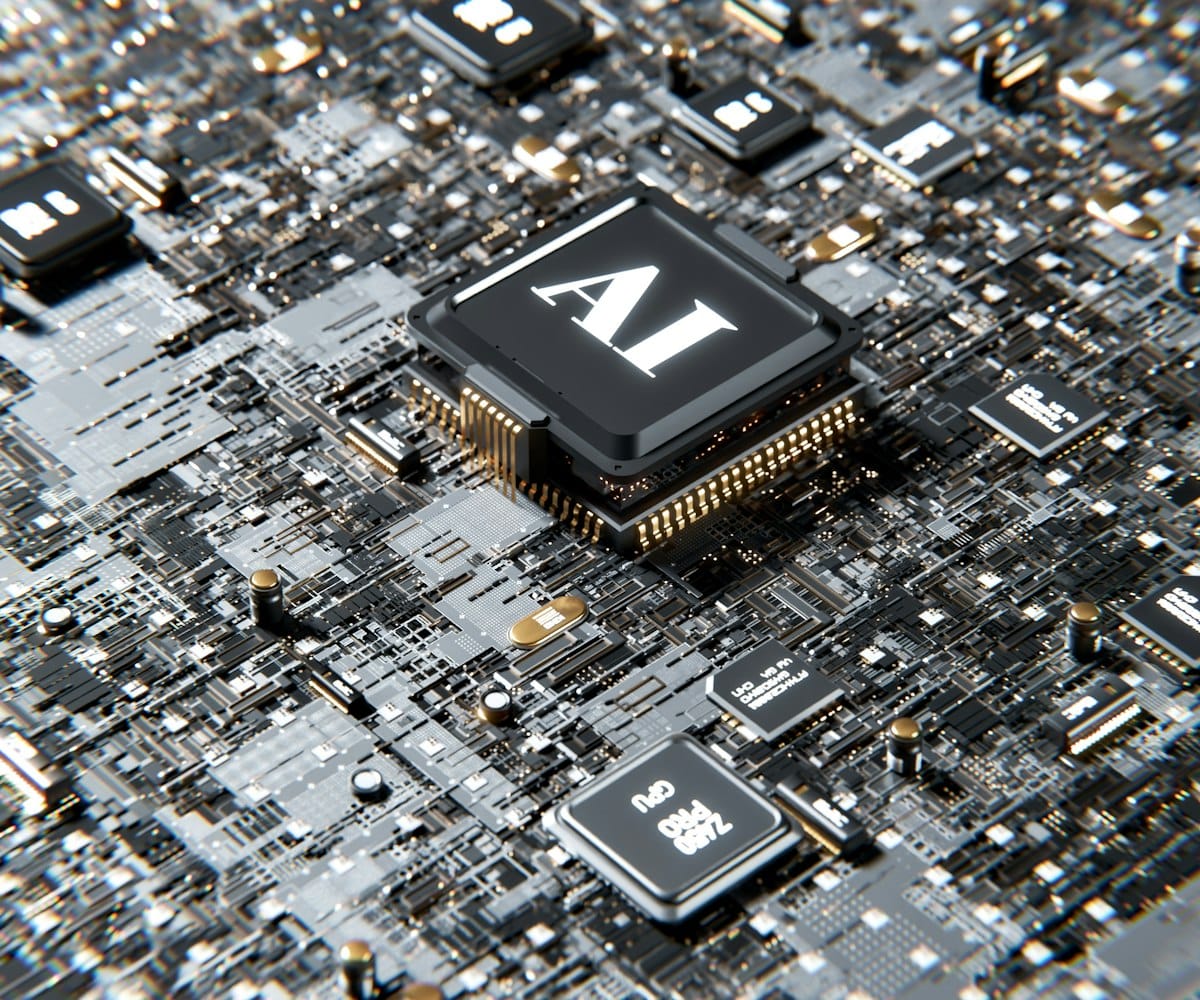
Behind every AI tool you use sits a physical supply chain — and it is far more concentrated than most people realise. The advanced logic chips that power modern AI are produced by a small number of firms in a small number of countries. Understanding this geography matters, because it shapes the cost, availability and even the politics of the tools your marketing stack depends on.
A Surprisingly Narrow Pipeline
Designing a cutting-edge AI chip, manufacturing it, and packaging it are three distinct stages, and each is dominated by just a few specialists. The most advanced manufacturing in particular is concentrated in a handful of facilities worldwide. This means the entire AI industry — every chatbot, every image generator, every ad platform running on these chips — rests on a remarkably thin foundation.
Why Concentration Creates Risk
When supply is this narrow, anything that disrupts it ripples outward fast. Geopolitical tension, export controls, natural disasters or simple demand spikes can tighten chip availability, raise prices, and slow the rollout of new capabilities. The AI tools you rely on are downstream of decisions made in a few boardrooms and government offices, even if you never see that connection directly.
The Practical Takeaway
You cannot control the chip supply chain, but you can be aware of it. Periods of hardware scarcity tend to coincide with higher prices and longer waits for new features. Building flexibility into your tooling — and not assuming costs only ever fall — is a sensible hedge. The hardware layer is invisible until it isn’t, and the firms that understand it are better prepared when conditions tighten.
A Layer Worth Understanding
You do not need to become a semiconductor expert, but a basic grasp of the hardware layer makes you a sharper reader of the AI market. When you hear about chip shortages, export restrictions or new fabrication plants, you are really hearing about the foundations of the tools you depend on. The companies and countries that control this layer hold quiet but enormous influence over the whole field, and that influence shows up eventually in the prices and capabilities you experience.
Source: Our World in Data — Artificial Intelligence.
Why a chip supply chain matters to advertisers
It can seem strange that the geography of semiconductor manufacturing has anything to do with running ads, but the connection is real. The concentrated, physical supply chain behind AI chips is what ultimately sets the cost and availability of the compute your marketing tools run on. When that supply is tight, the cost of AI features can rise or capacity can be rationed; when it eases, capability tends to get cheaper and more abundant. Understanding that your AI tools rest on a physical foundation helps explain why pricing and availability sometimes move in ways that have nothing to do with the software itself.
Concentration means fragility
Because the manufacturing of advanced chips is so concentrated, the whole AI ecosystem carries a degree of fragility that most users never see. A disruption in one region can ripple out into higher costs and slower feature rollouts across the tools you rely on. For marketers, this is a reason to avoid over-committing to any single AI-dependent workflow that would collapse if capacity tightened. Keeping a manual fallback for critical tasks is cheap insurance against a supply shock you cannot control.
Focus on what you can control
None of this is something an individual marketer can influence, and dwelling on it is not the point. The useful posture is awareness without anxiety: know that your tools depend on a physical supply chain, build a little resilience into your process, and otherwise concentrate on the parts of marketing you do control — the strategy, the creative and the measurement that determine your results regardless of what the chip market is doing.